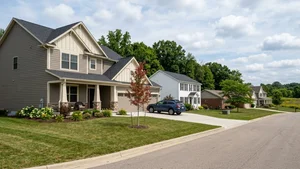
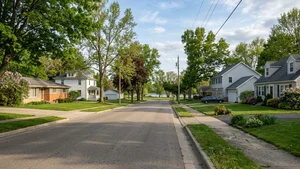
The median home sale price in Caledonia, MI sits around $402,000, and inventory is tight - roughly three homes on the market at any given time as of late summer 2026. That's a strong position for anyone planning to sell a home in Caledonia, MI. Homes are spending a median of just 17 days on the market before going under contract, and properties are selling for about 1% over asking, with more than half of recent listings closing above list price.
Staging won't manufacture a good offer out of thin air, but it does keep buyers focused on what matters - and in a market this fast, that focus can make a real difference.
Why Staging Your Caledonia Home Makes Financial Sense
Staging means arranging furniture, adjusting lighting, and clearing out clutter so the home appeals to the broadest possible pool of buyers. The goal is a clean, neutral environment where someone walking through can actually picture their own life there - not yours. A well-staged home plays up its architectural strengths and quietly papers over the awkward nooks or tight corners that every house has.
The numbers back this up. According to the National Association of Realtors' 2025 Profile of Home Staging, 49% of sellers' agents reported that staging reduced the time a home spent on the market. Within that group, 30% described the reduction as slight - so it's not a magic wand, but the directional benefit is consistent enough that experienced agents pay attention to it.
Does staging speed up the sale?
The NAR report doesn't publish a specific number of days saved, but the survey results are clear about direction: staged homes attract serious buyers faster. Buyers feel more confident making an offer when a home already looks move-in ready.
In the Caledonia housing market, shaving even a few days off your time on market reduces the grind of keeping your house showroom-clean around the clock. It also limits the window for buyers to start wondering why a listing is sitting active - and then using that as leverage to negotiate your price down.
How staging changes the buyer's perspective
Buyers are easily distracted. Personal items, bold paint colors, oversized furniture - these things pull attention away from the actual property. Staging strips out those distractions and lets the square footage and natural light do their job. It gives every room a defined purpose, which matters most in the awkward spaces: the half-finished basement, the oddly shaped bedroom, the too-small dining area.
A properly arranged room feels larger and more functional than the same room left to its own devices. That visual clarity shifts a buyer's thinking from "could we make this work?" to "when can we move in?"
What You Can Expect to Pay for Home Staging in Caledonia, MI
National industry data puts average staging costs somewhere around $1,800 to $1,849, with a typical range of $832 to $2,927. The NAR 2025 Profile of Home Staging found a median cost of $1,500 when sellers hired a professional staging service. When the seller's agent handled the staging personally, that median dropped to around $500. Your actual bill depends almost entirely on how much furniture needs to be rented and moved.
Professional staging price ranges
Full-service staging runs roughly $600 per staged room. Whether you land on the low or high end depends on whether the stager is working with your existing furniture or trucking in their own couches, rugs, and artwork. A light touch using what you already own stays on the lower end.
For a complete staging of a vacant house, costs can reach up to $5,000. Most stagers charge an initial consultation fee, then a monthly rental fee for the furniture while the home is on the market - so a longer listing timeline costs more.
Managing costs with a DIY approach
If you're watching the budget, start with decluttering and a deep clean before you spend a dollar on decor. Renting a storage unit and packing up your oversized furniture costs a fraction of professional staging, and a clean, spacious room always photographs better than a cluttered one.
A few well-chosen purchases - fresh towels, neutral throw pillows, a modern light fixture or two - can modernize a space without a serious financial commitment. And you take all of it with you when you move.
Vacant versus occupied staging expenses
An occupied home is generally the less expensive staging scenario because the stager works with what you already have. They might pull a few pieces out to improve traffic flow or bring in some accessories to pull a room together. It's editing, not building from scratch.
Vacant homes are a different story. The stager has to supply everything - dining tables, artwork, decorative plants, the works. That logistical effort drives costs up, but it solves a real problem: empty rooms feel cold and look smaller in photos than they actually are.
Choosing Between Professional and DIY Staging
Not every property needs a full professional package. The decision comes down to your budget, your timeline, and the current condition of your furniture. Some homes genuinely only need a weekend of heavy cleaning. Others need a complete visual overhaul to compete.
A local agent will evaluate your property during the listing consultation and tell you honestly which category you're in - and where to focus your energy for the best return.
When to hire a professional stager
If your home is vacant or your furniture is heavily worn and dated, a professional is worth the money. Vacant rooms make it hard for buyers to gauge scale - they need to see that a king-sized bed actually fits comfortably in the primary suite. Professionals solve that problem.
They also bring an objective eye that's hard to replicate when you've lived in a space for years. They know how to arrange a room to photograph well, which matters when most buyers are making their shortlist based on online photos before they ever schedule a showing.
A realtor-approved DIY staging checklist
Start by packing away family photos, personal collections, and anything that accumulates on countertops. The goal is clear surfaces that make the home feel well-maintained and spacious. Clean the windows, baseboards, and carpets - odors and stains are deal-breakers that no throw pillow can fix.
Open all the blinds and curtains before showings to maximize natural light. Then arrange your seating to create clear walkways and conversation areas, pulling out any bulky pieces that block the room's flow.
Room-by-Room Staging Advice for Your Listing
Buyers don't scrutinize every square foot equally. The living room, kitchen, and primary bedroom get the most attention during a tour - and if those rooms look sharp, buyers tend to be more forgiving about minor issues elsewhere. You don't need to stage every secondary bedroom or storage closet to get a strong offer.
That said, the rooms that do matter deserve real focus.
Preparing the living room and kitchen
In the living room, anchor the space with an area rug and pull the seating away from the walls. That arrangement makes a room feel intentional and comfortable rather than like a waiting room. A few neutral throw pillows help tie the color scheme together without demanding attention.
Kitchens should have clear countertops with one or two simple decorative items - a bowl of fresh fruit, a clean coffee maker. Everything else goes away: dish soap, sponges, small appliances. The more counter space buyers can see, the better.
Updating the primary bedroom and bathrooms
The primary bedroom needs to feel like a retreat. Crisp, white bedding does a lot of the heavy lifting. Clear the nightstands down to matching lamps, and remove anything large - an oversized dresser, exercise equipment - that shrinks the room visually.
In the bathrooms, every personal toiletry comes off the shower and vanity. Fresh, fluffy white towels go up. Mirrors and glass surfaces get cleaned until there's nothing to see but the room itself.
Improving curb appeal and the entryway
The front of the house is the first thing a buyer sees, and that impression is already forming before they step inside. Power wash the siding, mow the lawn, add fresh mulch to the garden beds. A freshly painted front door and a new welcome mat are low-cost finishes that make the exterior look intentional.
Just inside the front door, a simple console table with a mirror and a small plant sets a tone for the rest of the tour.
Handling Occupied Versus Vacant Listings
Selling a home while you're still living in the house is a different challenge than selling an empty one. An occupied home requires daily maintenance to stay show-ready - that's genuinely exhausting over a multi-week listing period - but it naturally feels warmer and more human to buyers walking through.
A vacant home stays exactly as the stager left it, which eliminates the last-minute scramble before showings. The risk is that empty rooms feel cold and can look smaller than they are, which is something you'll want to address before listing.
Tips for staging while you still live there
Build a quick-cleanup routine and stick to it. Keep empty laundry baskets near the door so you can sweep stray items into your car before a last-minute showing. Wipe down kitchen and bathroom counters every morning - it takes two minutes and keeps you from scrambling when an agent calls with an hour's notice.
Keep pets and kids' toys contained to designated areas. The less visible evidence of daily life, the easier it is for a buyer to imagine their own.
Using virtual staging for empty houses
Virtual staging digitally places furniture and decor into photos of a vacant home. It costs significantly less than physical staging and helps your listing stand out on real estate portals. Buyers can see the potential of the space without you paying to rent and deliver actual furniture.
The catch is that the house is still empty when buyers show up in person. Leave printed copies of the virtually staged photos on the kitchen counter so visitors have something to reference while they're walking through the rooms.
Local Home Stagers Serving the Caledonia Area
Sellers in West Michigan have access to several experienced staging professionals. Finding the right one means reviewing portfolios and confirming they actually cover your neighborhood - a stager who knows local buyer preferences will know which features to highlight.
Your agent can usually point you toward stagers they've worked with and trust. That's a shorter path to a reliable hire than starting from scratch online.
What to look for in a local stager
Several staging professionals explicitly list Caledonia, MI, in their service areas. Staging Partners LLC is based in Grand Rapids and serves Caledonia alongside other nearby communities. At Home Design and Staging, based in Byron Center, holds a 4.8 out of 5 rating on Houzz and serves Caledonia, Grand Rapids, Grandville, and Hudsonville. The Better Business Bureau's Grand Rapids category also lists several A+ rated staging businesses that cover the area.
Reviewing past projects before you commit gives you a real sense of a stager's design style and inventory quality.
Questions to ask before you hire
Ask for before-and-after photos of comparable properties they've staged. Get clarity on exactly what the fee covers - initial design, delivery, setup, and monthly furniture rental can all be separate line items depending on the contract.
Confirm their timeline and align it with your target listing date. A staging delay that pushes back your photography appointment can cost you a week on the market before you've even listed.
Home Staging FAQs
Does home staging actually help sell a house faster in Caledonia?
Yes, staging generally helps. The 2025 NAR Profile of Home Staging reports that 49% of sellers' agents saw a reduction in days on market for staged homes. Staged properties present better in photos, which drives more immediate buyer interest.
How much does it cost to stage a house in Caledonia?
National surveys put average staging costs around $1,800 to $1,849, with a typical range of $832 to $2,927. The NAR 2025 report notes a median cost of $1,500 for a professional service. DIY staging guided by your agent brings that median cost down to roughly $500.
What's the difference between hiring a professional stager and DIY staging?
A professional stager brings in their own furniture and handles all the design and heavy lifting. DIY staging means you use your existing furniture, declutter the space, and manage the physical preparation yourself.
What should I NOT do when staging my house before a showing?
Don't leave personal items, family photos, or daily clutter visible on surfaces. Avoid pushing all your furniture against the walls, and don't leave strong odors from cooking or pets lingering in the air.
How should I stage a house I'm still living in vs. an empty one?
For an occupied home, focus on deep cleaning, packing away excess belongings, and building a daily routine to keep the space show-ready. For an empty home, bring in rental furniture or use virtual staging to give buyers a sense of scale.
What is virtual staging, and is it enough for my listing in Caledonia?
Virtual staging digitally adds furniture to photos of empty rooms to improve your online listing. It works well for attracting buyers online, but you should leave the staged photos printed and visible in the house during showings to help visitors picture the space.
How long does home staging take before I can list my property?
DIY timelines depend on how fast you can declutter, pack, and clean. Professional staging typically takes a few days to a week to schedule, deliver, and arrange the furniture before the listing photographer arrives.
Getting Your Caledonia Home Ready for the Market
With homes in Caledonia, MI selling in roughly 17 days, you don't have the luxury of a slow start. A polished property from day one gives you the best shot at a strong offer - buyers respond to homes that feel clean, bright, and ready to move into.
A listing consultation is where the plan starts. An agent walks through your home, evaluates the condition of the property, and gives you specific recommendations on staging, repairs, and pricing. That conversation is what turns a general strategy into an actual checklist.