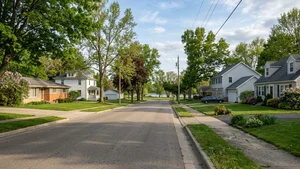
Caledonia, MI has come a long way from its roots as a quiet farming settlement. For those considering living in Caledonia, the village and surrounding township carry a mix of genuine historic depth and the kind of steady residential growth that tends to follow a good commuter location.
If you're thinking about buying here, knowing a bit of that background actually matters. From its early days as a railroad depot to its current identity as a residential hub near Emmons Lake, this Kent County community didn't arrive at where it is by accident.
Where Caledonia Sits and Its County Ties
Caledonia sits entirely within Kent County, Michigan - operating as both a village and a larger surrounding township, just outside the Grand Rapids metropolitan area. That proximity to Grand Rapids is the whole point for a lot of buyers.
The market reflects it. As of mid-2026, the median home sale price in Caledonia is approximately $440,000, which plays a major role in the overall cost of living in Caledonia. Homes are moving with a median of just seven days on the market and roughly one month of inventory available - so if something catches your eye, you don't have the luxury of sleeping on it.
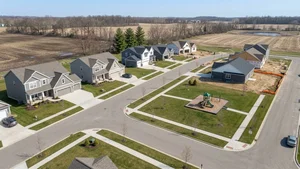
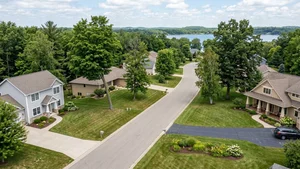
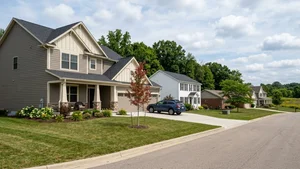
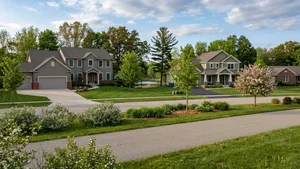
What you'll find on the ground is a range of older properties near the village center and newer developments spreading through the township, with Emmons Lake providing a natural anchor to the local geography.
Early Settlement and How the Village Got Its Name
The area was first settled in 1838, when Asahel Kent, his wife, and their young daughter made the trip from Ohio by covered wagon. Others followed - Justus C. Beach, Norman Foster, the Tyler family. The township was formally organized somewhere between 1838 and 1840, with early meetings held at the home of Peter McNaughton. Those original settlers put down roots in what they called "East Caledonia," which is not where the modern village center stands today.
The village came later, driven largely by railroad expansion. It was officially platted in 1870 and incorporated as a village in 1888. For a time it went by "Caledonia Station" - the depot name - before the "Station" was eventually dropped.
The Meaning Behind the Name
The name itself is a straight line back to the township's early Scottish settlers. "Caledonia" is the historic and poetic Latin name for Scotland, and several of the early township officials - including Peter McNaughton and John P. McNaughton - carried Scottish surnames. They named the place to reflect their heritage, and it stuck.
Historic Landmarks and Local Museums
A few structures from the township's early days have held on. The Barber School is one of the more prominent ones - a well-known early schoolhouse that still stands, with the surrounding area recognized as a historic landmark.
The Caledonia Historical Museum is where you go if you want the fuller story. Maintained by the Caledonia Historical Society, it holds artifacts and records covering the village's agricultural and railroad past. Here's the detail that tends to surprise people: the museum is housed inside the Caledonia Library, which is a branch of the Kent District Library system - and that library building is one of the very first church buildings ever constructed in the village. The history is literally inside the history.
Preserving the Past Today
The historical society keeps those records to help residents stay connected to the township's agricultural roots, with exhibits that trace the arc from rural farming outpost to modern residential suburb.
Much of the original East Caledonia settlement has been replaced by newer infrastructure, but these preserved sites give you a real window into what 19th-century life in Kent County actually looked like.
What the Village Is Known For Today
Caledonia was a farming community for most of its history. Today it's a residential commuter town tied to greater Grand Rapids - its own village center, straightforward access to the broader metro area, and a reputation built on steady growth rather than any single defining feature.
Unlike some Michigan towns known for a particular agricultural product or local dish, available sources don't point to a signature food for Caledonia. Its identity runs more toward historic schoolhouses and the kind of consistent residential development that commuter towns tend to attract.
The village is also the birthplace of Lloyd M. Seibert, a noted historical figure from the area who received the Medal of Honor.
Frequently Asked Questions
Are there historic district regulations in Caledonia, MI that restrict exterior home renovations?
The village has recognized historic landmarks - the area around The Barber School being the most notable example. That said, whether those regulations affect a specific property you're buying is a separate question. Check directly with the Village of Caledonia or Kent County zoning offices to get the actual rules for any individual property.
When were most of the established residential neighborhoods in Caledonia built?
The village was platted in 1870 and incorporated in 1888, so some of the core homes go back to the late 19th and early 20th centuries. The broader township has seen continuous development since then as it made the transition to a modern commuter community.
How can I research the history and previous owners of a property I am buying in Caledonia?
Start with the Kent County Register of Deeds for property records. The Caledonia Historical Museum - located inside the Caledonia Library - also maintains local archives that may have information on older homes.
Are there local property tax incentives for restoring historic farmhouses in Caledonia, MI?
Neither the village nor Kent County publishes a blanket local tax incentive for historic restorations in the available data. Talk to a local tax professional or the township assessor to find out whether any state-level preservation credits might apply to your situation.
How do property values of historic homes in the Village of Caledonia compare to newer local subdivisions?
The overall median sale price in Caledonia sits at around $440,000, with homes selling in about seven days. Beyond that, it really comes down to the condition of the historic home weighed against the size and amenities of newer construction - there's no universal answer.
What common structural issues should buyers look out for when purchasing a century-old home in the Caledonia area?
Older homes near the original 1870 village plat are worth scrutinizing for outdated electrical wiring, aging plumbing, and foundation settling. Hire a licensed inspector to look at those systems specifically before you close - this is not a step to skip.