Buyers looking at West Michigan often weigh the balance between proximity to Grand Rapids and the everyday expenses of a suburban township. The cost of living in Caledonia, MI sits roughly 5.5% below the national average. This figure factors in everything from local housing costs to daily grocery bills.
Understanding this market requires looking at concrete data across multiple categories. With a median age of 38 and a steady influx of new residents, Caledonia Township has seen a shift in its housing inventory and commercial offerings. Those planning a move should review how these local indices align with their household income and long-term budget.
The region offers a mix of rural landscapes and growing residential developments. Many buyers target Kent County for its stable employment sectors and access to regional amenities. Evaluating the local financial landscape helps buyers determine if this area fits their specific goals.
How Caledonia Compares to State and National Averages
The overall cost of living index for Caledonia scores a 94.5, placing it slightly below the United States baseline of 100. When compared to the broader Michigan state average, expenses here run slightly higher due to real estate demand in Kent County. Housing remains the largest variable in the local affordability equation.
Data from the Census Bureau tracks these shifts alongside median household income. Buyers relocating from major coastal markets often find their purchasing power goes further in West Michigan. Renters and buyers coming from other parts of the state should prepare for premium pricing on newer developments.
Transportation and healthcare indices help balance out the higher regional housing costs. Residents pay less for routine services than those living in major metropolitan centers like Chicago or Detroit. This balance makes the township an attractive option for buyers seeking suburban space.
Understanding Local Real Estate Prices and Rent
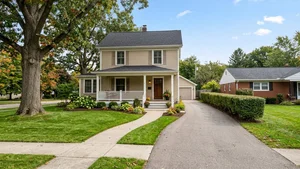
The median single-family home price in Caledonia sits around $534,000 as of mid-2026. This figure reflects a mix of established village homes and newer subdivisions spreading into the surrounding township. Buyers will find that lot size and proximity to the Broadmoor Avenue corridor play major roles in these valuations.
Those looking for attached housing options will find townhomes and condominiums ranging from $300,000 to $400,000. These properties frequently include homeowner association fees that cover exterior maintenance and snow removal. Buyers should factor these monthly dues into their debt-to-income ratios during the mortgage pre-approval process.
The rental market provides options for those not ready to purchase. Average monthly rent for apartments and single-family rental homes ranges from $1,900 to $2,600. Availability tends to fluctuate seasonally, with peak inventory appearing in late spring and early summer.
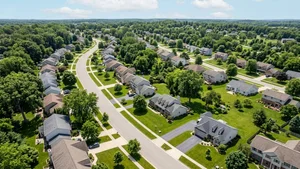
New construction continues to expand the local housing supply. Builders focus primarily on single-family properties with larger footprints on the edges of the township. Buyers interested in these new builds should anticipate higher starting prices and potential lot premiums.
Property Taxes and School District Boundaries
Property taxes in Michigan involve state, county, and local millage rates. The Caledonia Community Schools district covers a large footprint that extends across portions of Kent, Allegan, and Barry counties. Where a specific house sits within these county lines determines the final tax bill.
Michigan law mandates an 18-mill non-homestead operating millage for local school districts. This tax applies to businesses, vacant land, and rental units. Homeowners who claim the property as their primary residence are exempt from this specific 18-mill charge under the Principal Residence Exemption.
Buyers purchasing a home in Kent County will also encounter property transfer taxes at closing. The state and county levy these taxes based on the final sale price of the real estate. Sellers customarily pay this fee, but buyers should review the settlement statement to confirm all charges.
Tax assessments update annually based on market value changes and inflation. Buyers should review the taxable value history of a property rather than looking solely at the current owner's tax bill. State law caps how much the taxable value can increase each year for an existing owner, but the value resets upon a sale.
Everyday Expenses for Groceries, Utilities, and Healthcare
Utility rates and healthcare premiums in West Michigan align closely with the national baseline. A typical household in Caledonia Township relies on regional providers for electricity, natural gas, and municipal water or private wells. Homes further out in the township often use propane, which requires seasonal fill-ups and separate budgeting.
Grocery and daily retail costs mirror the broader Michigan state average. Residents have access to local supermarkets within the village, alongside larger regional chains just a short drive away. Healthcare access is supported by proximity to major medical networks like Corewell Health and U-M Health-West.
Budgeting for these recurring expenses involves looking at local provider rates. Buyers moving from out of state often notice differences in heating costs due to Michigan winters.
Utilities: Monthly bills for electricity, gas, water, and internet typically range from $250 to $400, depending on the age and size of the home.
Groceries: Food costs remain on par with the rest of Kent County, though local farm stands offer seasonal produce alternatives during the summer.
Healthcare: Medical expenses and insurance premiums track evenly with the national average of 100, supported by the density of nearby medical centers.
Commuting Logistics and Transportation Costs
The primary artery connecting Caledonia to downtown Grand Rapids is M-37, locally known as Broadmoor Avenue. A standard commute into the city center takes roughly 25 to 35 minutes under normal traffic conditions. This route handles substantial daily volume, mixing passenger vehicles with commercial transport.
Alternative routes exist via local county roads, but most residents rely on M-37 for direct access to highway interchanges. Public transportation options are limited in the township, making personal vehicle ownership a necessity. Buyers should budget for routine vehicle maintenance, fuel, and Michigan's no-fault auto insurance premiums.
Those working in the southern portions of the region often find the drive times shorter than those commuting from northern suburbs. Access to the M-6 highway interchange provides a fast connection to I-96 and US-131. Transportation expenses consistently form the second-largest line item in a local household budget after housing costs.
Winter weather requires specific vehicle preparation and adjusting commute times. Heavy lake-effect snow events frequently slow traffic along the Broadmoor Avenue corridor. Residents often budget for winter tires and increased fuel consumption during the colder months.
Parks, Trails, and Commercial Centers
The village center serves as a focal point for local retail and outdoor recreation. The Paul Henry Thornapple Trail runs directly through the middle of town, providing miles of paved pathways for cyclists and pedestrians. This trail system connects various neighborhoods to public parks and the local library.
Commercial development stretches along the Broadmoor Avenue corridor, offering hardware stores, restaurants, and professional services. This concentration of retail means residents do not have to drive into Grand Rapids for basic errands. The township continues to balance this commercial growth with the preservation of surrounding agricultural land.
Access to natural features remains a draw for buyers looking in this area. Several local parks offer sports fields, picnic pavilions, and access to the Thornapple River. Buyers should note that homes located closer to these amenities often carry a premium in the local real estate market.
Common Questions About the Caledonia Market
Is it more expensive to live in Caledonia or Grand Rapids?
Housing costs in Caledonia generally exceed the median prices found within the Grand Rapids city limits. Buyers pay a premium for larger lot sizes and newer construction in the township. However, everyday expenses like groceries and utilities remain comparable between the two locations.
What are the average property taxes in Caledonia, MI?
Tax bills vary based on the home's assessed value and its specific county jurisdiction. Primary homeowners are exempt from the 18-mill non-homestead tax, which lowers their annual burden. Buyers should review the specific millage rates for their target property before making an offer.
How long does it take to commute from Caledonia to Grand Rapids?
Most drivers spend 25 to 35 minutes traveling from the village center to downtown Grand Rapids via M-37. Winter weather can extend this drive time, especially during heavy lake-effect snow events. Access to major highways like I-96 and M-6 helps streamline trips to other parts of West Michigan.