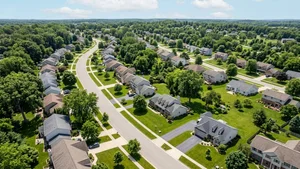
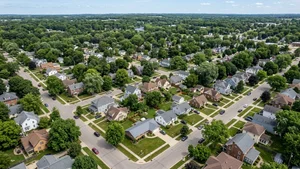
The cost of living in Hastings, MI generally falls below both the state and national averages. Located in the center of Barry County, this city of about 7,500 residents serves as the county seat and functions as a suburban hub for the surrounding rural areas. Buyers looking at the region often compare it to larger nearby markets like Grand Rapids or Kalamazoo, finding that their dollar stretches further here.
Data from early 2026 places the cost of living index for Hastings at 94.2, meaning everyday expenses run about 5.8% below the United States average. That figure is also 3% lower than the Michigan state average. The city is bordered by Hastings Charter Township and Rutland Charter Township, creating a broader community where housing, taxes, and daily utility costs remain relatively stable.
Housing Costs and Property Taxes
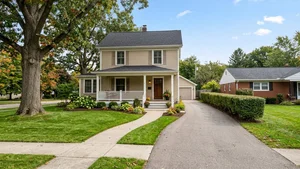
The median home price in Hastings ranges between $250,000 and $302,400 as of the spring 2026 market. This price point offers a noticeable discount compared to the major metropolitan areas in West Michigan. Buyers will find a mix of older single-family homes near the downtown area and newer builds spreading into Rutland Charter Township.
Renters moving to the area pay an average of $1,178 per month for local apartments and single-family rental properties. Inventory for rentals is smaller than in larger cities, so prospective tenants should plan their search well in advance of a move. Most rental properties require standard background checks and a security deposit equal to one month of rent.
Property taxes play a major role in calculating your monthly housing budget. The median effective property tax rate in Barry County ranges from 1.06% to 1.17% of a property’s assessed value. Buyers should factor these local tax rates into their mortgage pre-approval calculations before making an offer on a home.
Utilities, Groceries, and Daily Expenses
Monthly utility bills in Hastings run approximately 6% lower than the national average. Residents receive their electricity from Consumers Energy, while the city handles water and sewer services directly. Heating costs during the winter months depend on whether a property uses natural gas or propane, which is common in the rural areas just outside city limits.
Grocery prices at local supermarkets sit about 2% below the national baseline. Shoppers have access to regional chains like Family Fare and major retailers like Walmart for everyday food and household supplies. Keeping a household budget in check is often easier here because these basic necessities do not carry the premium pricing found in larger urban centers.
Healthcare expenses in the area also remain 2% below the national average. Routine medical care, dental visits, and pharmacy costs align with the broader affordability of the region. These marginal savings across utilities, food, and medical care compound over the course of a year to lower the overall financial burden for residents.
Parks, Infrastructure, and Healthcare Facilities
Spectrum Health Pennock operates a full-service hospital directly within the city limits. This facility provides emergency care, surgical services, and specialized outpatient treatments. Having a major healthcare center nearby eliminates the need for residents to drive to Grand Rapids for routine medical procedures or urgent care.
The Thornapple River flows directly through the city, offering access to kayaking, fishing, and outdoor recreation. Local infrastructure supports these activities with public access points and maintained trails along the water. Fish Hatchery Park is a primary recreational space, featuring baseball diamonds, tennis courts, and open green spaces.
Public utility infrastructure is well-maintained, with recent upgrades focused on water treatment and road surface improvements. The city public works department handles regular maintenance, including snow removal during the winter months. These municipal services are funded through the local tax base and contribute to the overall functionality of the town.
Transportation and Commuting Times
Many residents choose to live in Hastings while working in the surrounding major cities. The drive to Grand Rapids covers approximately 35 miles and typically takes 45 to 50 minutes via M-37. This state highway serves as the primary northern route, handling heavy commuter traffic during morning and evening rush hours.
Commutes to Kalamazoo follow a similar timeline, requiring a 45 to 50-minute drive over a 35-mile distance to the south. Battle Creek is slightly closer, located about 25 miles away with a drive time of 35 to 40 minutes. Because public transportation options are limited to local transit services like Barry County Transit, owning a personal vehicle is a necessity for these regional commutes.
General transportation expenses, including fuel and vehicle maintenance, track about 2% lower than the national average. Gas prices along the M-37 corridor fluctuate with state trends but generally remain competitive with neighboring counties. Buyers should calculate their expected weekly fuel costs based on their specific commute distance when evaluating a move to the area.
Local Schools in Hastings
The Hastings Area School System serves the city and the immediate surrounding townships. The district operates several elementary schools, including Central Elementary, Southeastern Elementary, Northeastern Elementary, and Star Elementary. These neighborhood schools distribute the student population across different geographic zones within the community.
Older students attend Hastings Middle School and Hastings High School, both located near the center of town. The district provides standard transportation services for students living outside the immediate walking zones. Extracurricular programs, athletic facilities, and specialized academic tracks are centralized at the high school level.
For early childhood education, the area includes several private child care centers and preschool programs. Adult learners and high school graduates can access community college courses and vocational training programs in the neighboring cities of Grand Rapids or Battle Creek.
Frequently Asked Questions
Is Hastings, MI an expensive place to live compared to the national average?
No, the overall cost of living index here is 94.2, which is roughly 5.8% below the United States baseline. Housing prices play the biggest role in this affordability, as local real estate is noticeably cheaper than the national median.
What is the average rent in Hastings, MI?
As of May 2026, the average monthly rent for an apartment or single-family home sits around $1,178. Prices vary based on the age of the building and whether the property is located downtown or in Rutland Charter Township.
How much money do I need to live comfortably in Hastings, MI?
A household earning between $60,000 and $75,000 annually can generally cover median housing costs, utilities, and daily expenses here. Factoring in the 1.06% to 1.17% county property tax rate and commuter fuel costs will help you pinpoint an exact budget.