Southwestern Michigan offers distinct living experiences depending on which county you choose to call home. Buyers looking at the region often narrow their search to two main hubs separated by about 30 miles. Deciding between Hastings, MI vs Battle Creek, MI comes down to whether you prefer a rural county seat or a larger manufacturing center with immediate interstate access.
Hastings serves as the seat of Barry County, offering a smaller population and closer proximity to the Grand Rapids metro area. Battle Creek sits in Calhoun County along the busy I-94 corridor, providing established suburban infrastructure and a larger commercial footprint. Both cities have distinct housing markets, employment bases, and property tax structures that impact monthly budgets.
Home Prices and Property Taxes
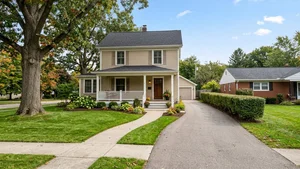
The median home price in Hastings sits around $270,000 as of mid-2026, while Battle Creek offers a lower median price of approximately $175,000. This price gap reflects the different types of real estate available in each community. Buyers in Hastings often find properties with larger rural acreage and mature trees just outside the downtown area.
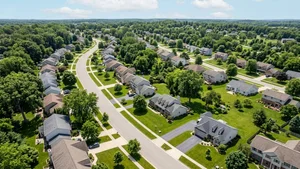
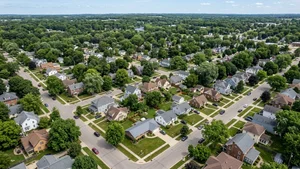
Battle Creek features a larger inventory of mid-century homes in established suburban neighborhoods like Lakeview and Pennfield. Those looking for historic architecture will find late 19th-century and early 20th-century builds near the city center. The lower purchase prices in Battle Creek make it an accessible entry point for first-time buyers in southwestern Michigan.
Property taxes also shape the long-term cost of homeownership in both locations. Barry County assesses an effective property tax rate between 1.06% and 1.17%, keeping annual carrying costs relatively moderate for Hastings residents. In Calhoun County, Battle Creek homeowners see a slightly higher effective rate ranging from 1.29% to 1.60%. Buyers should factor these local millage rates into their monthly mortgage calculations.
Job Markets and Cost of Living
Battle Creek operates as a major manufacturing and food production hub, anchored by international employers like Kellanova and Denso. Bronson Healthcare also maintains a massive footprint in the city, employing thousands of clinical and administrative staff. This concentration of large corporations provides a steady stream of local employment opportunities.
Hastings relies on a mix of regional manufacturing and specialized industrial employers to drive its economy. Companies like Flexfab and Bradford White serve as foundational employers for Barry County residents. Many people who work in these facilities appreciate the short, localized commute within the Hastings city limits.
Everyday living expenses align with the distinct economic profiles of each city. Battle Creek generally offers lower apartment rental rates and lower costs for groceries and services due to its larger commercial density. Hastings maintains a slightly higher cost of living, reflecting its smaller retail footprint and its appeal to commuters working in larger nearby metros.
Commutes to Grand Rapids, Kalamazoo, and Detroit
Hastings residents driving to Grand Rapids spend about 45 minutes on the road via M-43 and I-96. This state highway route serves as the primary artery connecting rural Barry County to the larger urban center to the north. Winter weather can impact drive times on these two-lane stretches, so commuters should plan accordingly during snowy months.
Battle Creek benefits from direct access to the I-94 corridor, a major interstate running straight through southern Michigan. Drivers can reach downtown Kalamazoo in 30 to 35 minutes, making it a viable option for those employed at Western Michigan University or Stryker. The same interstate provides a straight route east toward Ann Arbor and Detroit.
Public transportation options differ based on the size of the community. Battle Creek features local bus routes and an Amtrak rail station that connects passengers to Chicago and Detroit. Hastings relies on the Barry County Transit system, which operates an on-demand dial-a-ride service rather than fixed bus routes.
Parks, Trails, and Local Attractions
Fort Custer Recreation Area spans over 3,000 acres between Battle Creek and Kalamazoo, offering extensive trails for mountain biking, hiking, and horseback riding. This massive state park anchors a robust outdoor recreation scene in Calhoun County. Battle Creek also maintains a deep historical footprint, featuring monuments dedicated to Sojourner Truth and preserved sites tied to the Underground Railroad.
Hastings centers its recreational activities around water access and localized community parks. The Thornapple River runs directly through the city, providing launch points for kayaking, canoeing, and fishing. The downtown area complements these outdoor spaces with local brewing companies and independent restaurants housed in historic brick storefronts.
Both cities maintain unique regional attractions that draw visitors from across the state. Buyers evaluating the area will find distinct amenities depending on which community they choose:
Battle Creek: Binder Park Zoo offers a prominent wildlife experience, while Leila Arboretum provides 72 acres of gardens and walking paths. Indoor events and concerts take place downtown at Kellogg Arena.
Hastings: Fish Hatchery Park serves as a central gathering space with sports fields and pavilion areas. The surrounding Barry County landscape offers numerous smaller lakes and wooded trail systems.
Schools, Healthcare, and Community Sports
Bronson Battle Creek Hospital serves as the primary medical center for Calhoun County, providing emergency care, oncology, and specialized treatments. Residents in Hastings often utilize local clinics for routine care but travel to Grand Rapids or Battle Creek for major medical procedures. Proximity to these healthcare networks is a practical consideration for buyers evaluating rural versus suburban living.
The educational landscape in Calhoun County includes Battle Creek Public Schools and several neighboring districts like Lakeview, Pennfield, and Harper Creek. Buyers looking east of the city often consider the Marshall school district due to its proximity and distinct community feel. Hastings is served centrally by the Hastings Area School System, which consolidates students from the surrounding rural townships into one primary high school.
High school athletics serve as a major focal point in both locations, particularly on Friday nights in the fall. The Interstate 8 Conference hosts intense regional matchups, including the long-standing football rivalry between the Hastings Saxons and Harper Creek. These local sporting events draw large crowds and foster strong community ties across southwestern Michigan.
Frequently Asked Questions
What is the difference in property taxes between Hastings and Battle Creek?
Barry County applies an effective property tax rate of roughly 1.06% to 1.17%, which impacts buyers looking in Hastings. Battle Creek properties fall under Calhoun County, where effective rates trend higher at 1.29% to 1.60%. You should consult a local lender to see how these specific millage rates alter your estimated monthly payment.
How long is the commute from Hastings to Grand Rapids compared to Battle Creek to Kalamazoo?
Driving from Hastings to Grand Rapids takes approximately 45 minutes heading north on M-43. Commuting from Battle Creek to Kalamazoo is faster, taking about 30 to 35 minutes via the I-94 interstate. The interstate route generally offers more consistent travel times during heavy winter snowfalls compared to the two-lane state highways.
What are the major employers in Battle Creek and Hastings?
Battle Creek relies on massive corporate operations like Kellanova, Denso, and Bronson Healthcare to sustain its local economy. Hastings features a smaller industrial footprint anchored by regional manufacturers like Flexfab and Bradford White. Both cities maintain strong manufacturing roots that continue to shape their respective housing markets.