The median home sale price in the Byron Center, MI housing market sits around $610,000 as of mid-2026, and homes are spending roughly six days on the market before going under contract. That's a fast market, which means buyers don't always have the luxury of slowing down to read the fine print.
That fine print often includes a homeowners association. A lot of the neighborhoods you'll look at here come with one, and those monthly dues need to be in your budget before you make an offer - not after.
How Much Dues Cost in Byron Center
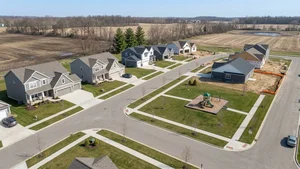
Basic single-family neighborhoods in Byron Center often charge dues in the tens of dollars per month. That kind of fee is usually just covering entrance sign upkeep and the common green spaces - nothing dramatic.
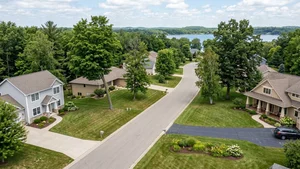
Step up to amenity-rich single-family subdivisions or condominium communities and you're typically looking at the low hundreds per month. Preservation Lakes, for instance, lists monthly condo dues between $350 and $388. Condos cost more because the association carries exterior building maintenance and the master insurance policy. Townhome communities with private roads or a clubhouse tend to land in the same higher range.
Comparing Costs Across Kent County and Michigan
The median monthly association fee in Kent County is about $281, drawn from Census data tracking over 18,000 units across the broader Grand Rapids metro area. Communities with pools or fitness centers typically fall in the $200 to $400 range.
Statewide, Michigan homeowners pay an average of $210 per month - slightly below the national average. Census-based data from recent years puts the statewide median even lower, at $125 for those paying condo or association fees.
Billing Frequency for Community Associations
Associations set their own collection schedules based on cash flow needs, so don't assume monthly is the default. Most condo communities do bill monthly, since their expenses - building maintenance, utilities - come due that way. Single-family neighborhoods with minimal shared amenities often go annual or quarterly. A $240 annual fee, for example, might arrive as one lump payment every January rather than $20 a month.
Verify the exact billing schedule during the inspection period. The title company will prorate the current billing cycle at closing, so you and the seller each pay only for the days you own the property.
What Homeowner Dues Pay For
The services covered by your dues depend entirely on the property type and what infrastructure the neighborhood shares. At Preservation Lakes, the monthly fee covers lawn maintenance, snow removal, water, sewer, and trash collection. That's a meaningful package.
Communities with pools, fitness centers, or clubhouses carry higher dues because those amenities need staff, liability insurance, and daily upkeep. Neighborhoods with private roads have to collect enough to handle repaving down the road and plowing every winter.
Reserves and Special Assessments
A portion of every dues payment goes into a reserve fund - the association's savings account for major, infrequent repairs like a new clubhouse roof or resurfacing a pool. When an association hasn't collected enough to keep that fund healthy, it issues a special assessment: a one-time charge levied on all homeowners to cover whatever wasn't funded.
It's the outcome nobody wants, and it's avoidable when dues are set correctly from the start.
Deciding If an Association Fee Is Too High
A high monthly fee isn't automatically a bad deal. Paying $350 a month is reasonable if it eliminates separate bills for water, trash, landscaping, and snow removal. The question is what you're getting for it.
Compare the fee directly to the amenities provided. A basic subdivision with no pool, no clubhouse, and no exterior maintenance charging $300 a month is a different story - that's worth scrutinizing. Reviewing the association's financial documents will show where the money actually goes. A healthy association has a well-funded reserve and a history of modest, regular fee increases rather than sudden spikes.
Additional Association Costs at Closing
On top of monthly dues, expect a few one-time charges when you close. Property management companies typically charge administrative or transfer fees to prepare the resale package and update ownership records. These packages outline the community rules and financial health, and management companies usually take 7 to 14 days to deliver them. If you need documents faster to hit a closing deadline, some companies will expedite for an extra rush fee.
At Preservation Lakes specifically, buyers pay a one-time $300 fee to the property manager for the master association at closing. That figure can vary by management company and community, so don't assume it's standard everywhere.
Frequently Asked Questions
What is the average monthly HOA fee for a single-family home in Byron Center?
It depends on the neighborhood's amenities. Basic single-family associations often charge in the tens of dollars per month, while amenity-rich subdivisions that include lawn care or snow removal can cost in the low hundreds.
Do Byron Center HOA fees typically cover winter snow removal and lawn care?
Yes, in specific community types. Condominium communities and amenity-rich single-family neighborhoods frequently include snow removal and lawn maintenance in their monthly dues, as seen in places like Preservation Lakes.
Are there new construction neighborhoods in Byron Center that don't have an HOA?
It varies by development. Many modern subdivisions establish associations to manage shared infrastructure like retention ponds, but buyers can sometimes find individual parcels or specific neighborhoods without these requirements.
How common are unexpected HOA special assessments in older Byron Center subdivisions?
They happen when an association has underfunded its reserve account for major repairs. Older communities facing aging infrastructure - private road repaving, roof replacements - are more likely to levy special assessments if regular dues were kept too low for too long.
How can I review a Byron Center community's HOA bylaws and restrictions before making an offer?
You can ask the seller's agent to provide the community documents during your property search. The management company will also deliver a formal resale package outlining the bylaws and financials, usually within 7 to 14 days of an accepted offer.
How much higher are HOA dues for condos compared to detached homes in Byron Center?
Noticeably higher. Basic detached homes might cost tens of dollars a month, while condo dues often sit in the $350 to $400 range to cover exterior building maintenance, master insurance, and shared utilities.