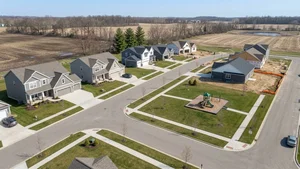
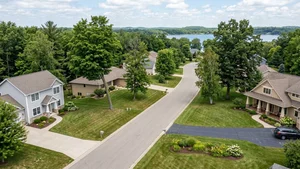
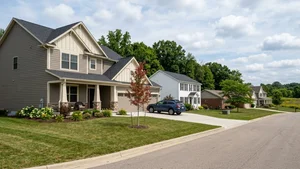
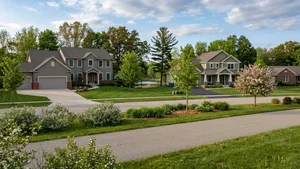
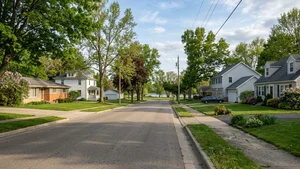
Caledonia, MI offers a distinct mix of housing options for older adults looking to downsize or transition into specialized care. The local real estate market moves quickly - homes here spend a median of just seven days on the market. If your plans include living in Caledonia, MI and you are shopping for retirement communities, expect median home sale prices around $439,675.
Finding the right place means sorting through active adult neighborhoods, senior apartments, and varying levels of assisted living in Kent County. You'll want to weigh upfront costs, monthly fees, and the specific amenities each property actually delivers. This guide covers the housing types, pricing, and community rules you can expect in 2026.
Senior Living Options in Caledonia at a Glance
The senior housing market in Caledonia includes a mix of age-restricted subdivisions and independent senior apartments. Inventory is tight across the broader market - about one month of supply available - so buyers focused on properties tailored to older adults often find that single-level living and low-maintenance exteriors come at a premium on speed, not just price.
Not every property marketed to older adults operates under the same rules. Some locations are simply built with single-story, open floor plans. Others carry binding age requirements enforced by a homeowners association. Knowing that distinction before you start touring will save you real time.
Housing Categories Available
Caledonia features active adult communities, senior apartments, and standard neighborhoods that appeal to downsizers. Active adult communities center on independent living with shared amenities like clubhouses and fitness centers. Senior apartments offer a more affordable rental path, with smaller square footage and age minimums attached.
The 80/20 Age Rule in Michigan
Under the federal Housing for Older Persons Act (HOPA), communities can legally restrict residents by age. To qualify as a 55+ community, at least 80% of the occupied units must have at least one resident who is 55 or older. The community must also publish and follow policies that demonstrate its intent to operate as age-restricted housing.
Types of Senior Housing Available
You'll find several distinct models of senior living in and around Caledonia. The right fit depends on how much independence you want, what your budget looks like, and what your healthcare picture might look like in five or ten years. Some facilities involve a straightforward real estate transaction; others come with complex entrance fees and monthly care contracts layered on top.
Moving from a traditional single-family home to a specialized community usually means trading square footage for convenience. Worth thinking through early: do you want a standalone home, an attached condo, or an apartment-style rental?
Active Adult and Independent Living
Active adult communities are built for residents who live independently and want to stop worrying about yard work. These neighborhoods typically consist of single-family homes or attached townhouses with an HOA that handles exterior maintenance, snow removal, and landscaping.
Assisted Living and Continuing Care
Assisted living facilities provide help with daily activities - bathing, medication management, meals. Continuing Care Retirement Communities (CCRCs) take a tiered approach, letting residents start in independent living and move to assisted living or skilled nursing as their health changes. No specific entrance-fee CCRCs are located within the immediate Caledonia borders, though options exist in the broader Grand Rapids metro area.
Senior Apartments and Mobile-Home Communities
Senior apartments give renters an age-restricted environment with smaller floor plans and more accessible designs. Standard mobile-home communities exist in Kent County, and dedicated 55+ mobile-home parks offer an affordable alternative for buyers who want a detached home without the cost of a traditional subdivision.
Featured 55+ Communities and Neighborhoods
Avalon Pointe is the primary named 55+ community specifically located in Caledonia. It's an active adult neighborhood with 190 residences - both new construction and resale single-family or attached homes. Recent listings there have priced homes roughly between $485,129 and $539,000.
Caledonia doesn't have any gated 55+ communities. If that's on your list, you'll need to expand the search to neighboring towns like Belmont, Grand Rapids, and Rockford. Within Caledonia, several standard neighborhoods draw downsizers based on home style and proximity to local amenities.
Avalon Pointe
Avalon Pointe carries a quiet reputation in Kent County. The HOA manages a clubhouse, fitness center, pool, and walking trails, and residents pay ongoing fees to support those shared spaces and keep the neighborhood's exterior standards in place.
Surrounding Caledonia Neighborhoods
Emmons Lake acts as a natural dividing line for housing styles in Caledonia. North of the lake, Glen Valley Estates offers contemporary homes built from the 1990s onward, typically selling between $350,000 and $530,000. Valley Point is a smaller 20-home neighborhood with plans like the Cascade and Cedarwood, while Kraft Farms and Snow Valley lean toward energy-efficient single-family designs.
South of Emmons Lake, you'll find older Victorian and Craftsman-style homes dating back to the 1900s, generally selling between $150,000 and $300,000. None of these areas are age-restricted, but they appeal to buyers who want historic character and a lower entry price.
Affordable and Low-Income Options
Subsidized senior housing exists in Kent County for older adults who meet specific income limits. Rents are typically capped at a percentage of the resident's income. Waitlists for these units can be lengthy - if this is your path, start the application process well before you plan to move.
Costs of 55+ Living in Caledonia
Housing costs here vary widely depending on the level of care and the type of property you're looking at. The median sale price for a home in Caledonia is $439,675, and homes generally sell for about 98.5% of list price. The financial structure inside a 55+ community is also different from a standard home purchase, so it's worth understanding what you're signing up for before you make an offer.
Buyers need to account for property taxes, monthly association dues, and potential entrance fees. Renters face a simpler monthly payment but don't build equity.
Average Rent for 55+ Apartments
Senior apartment rents in Caledonia run notably below the general rental market. The average rent for a 55+ apartment in the area is $1,012 per month for a unit averaging 584 square feet. Wellington Woods - Senior, for example, offers 827-square-foot units starting around $975.
Compare that to the broader market: non-age-restricted apartment rents in Caledonia range from roughly $1,446 to $1,914 per month. For renters on a fixed income, a dedicated senior apartment can translate into real monthly savings.
Entrance Fees and HOA Dues
Active adult communities like Avalon Pointe charge ongoing HOA fees to cover amenities such as cable TV, pools, and trail maintenance. Before you commit, review the HOA budget to make sure those monthly or annual dues hold up against your long-term financial plan.
CCRCs work differently - they typically require a large upfront entrance fee. Nationally, those fees average around $402,000, though they range from $40,000 to over $2 million. There are no specific entrance-fee CCRCs identified directly within Caledonia.
Renting Versus Buying
Buying in a 55+ community lets you build equity and lock in your housing costs, property taxes and HOA increases aside. Renting gives you flexibility and removes the financial exposure of home repairs and ongoing maintenance. Neither is automatically the right answer - it depends on your timeline and how much liquidity you want to keep.
Medicare and Medicaid in Michigan
Medicare doesn't cover long-term custodial care - room and board in an assisted living facility isn't included. It will pay for short-term skilled nursing care or specific medical treatments prescribed by a doctor.
Michigan's Medicaid program offers waivers that can help cover the cost of care services within an assisted living setting for eligible low-income seniors. Medicaid typically doesn't pay for the room and board portion of the monthly bill, though.
Evaluating Caledonia as a Place to Retire
Caledonia has a suburban feel with access to the broader amenities of greater Grand Rapids. The financial picture for retirees here depends on which data source you're looking at - and they don't all agree.
Salary.com places the cost of living in Caledonia at $2,484 per month for a single person, which aligns with the national average. That's a reasonable starting point, but it's worth knowing the other numbers before you budget.
Cost of Living for Retirees
PayScale reports the local cost of living is 3% higher than the national average, driven by housing costs that sit 34% higher and healthcare costs that run 7% higher - though groceries and transportation fall slightly below the national average. ERI, on the other hand, calculates Caledonia as 8% less expensive than the national average. AreaVibes gives the town a cost-of-living index of 102, placing it 12% higher than the Michigan state average.
Three sources, three different answers. Budget based on your specific housing choice and medical needs, not on a single index.
Kent County Healthcare and Walkability
Caledonia residents rely on the broader Kent County healthcare network, which includes major hospital systems near Grand Rapids. Most neighborhoods here require a car for daily errands - walkability to grocery stores and medical offices is limited in residential subdivisions, and that's not likely to change.
Top Areas for Seniors
Downsizers often gravitate toward Glen Valley Estates for its contemporary builds and established HOA, or Avalon Pointe for its dedicated 55+ amenities. Buyers who want historic character and a lower entry price tend to look south of Emmons Lake, where older Craftsman homes deliver both.
Pros and Cons of 55+ Communities
Age-restricted communities suit some buyers well and frustrate others. The same rules that keep a neighborhood quiet and well-maintained also place real limits on how you can use your property. Read the governing documents before you sign anything.
Benefits of Age-Restricted Living
The low-maintenance lifestyle is the main draw. HOAs handle lawn care, snow removal, and exterior repairs, which frees you from the physical and financial burden of heavy yard work. Shared amenities like pools and clubhouses also create a built-in social network - something that matters more than most buyers expect.
Common Downsides
Strict HOA enforcement is the biggest friction point. You may face limits on exterior paint colors, landscaping choices, and parking arrangements. Monthly dues can also increase over time, which adds pressure if you're on a fixed income.
Options If Assisted Living Is Out of Reach
Seniors who can't afford private assisted living in Kent County often explore in-home care services or adult day care programs. Michigan also offers Medicaid waiver programs that provide financial assistance for personal care services, helping older adults age in place.
How to Choose and Tour a Community
Selecting a retirement community takes on-the-ground research and multiple visits. Treat the tour like an interview - watch how staff interacts with residents, and look at the condition of the grounds with fresh eyes.
Because active adult homes in Caledonia can sell in just seven days, you need your financing in order before you start touring properties. Renters looking at senior apartments should ask about waitlist times upfront, since affordable units move fast.
Questions to Ask on a Tour
For an active adult neighborhood, ask about the history of HOA assessments and the health of the community's reserve fund. At an assisted living facility, ask about staff-to-resident ratios, staff turnover rates, and exactly which services cost extra.
Vetting Properties and Reading Reviews
State inspection reports give you a factual record of an assisted living facility's track record. Request those reports, and read online reviews with an eye for recurring complaints about maintenance, food quality, or management responsiveness.
Booking Your Visit
Most communities require an appointment for a formal tour. Schedule it during meal times or community events if you can - that's when you'll get the clearest picture of what daily life actually looks like.
Frequently Asked Questions
Do both spouses have to be 55 or older to buy a home in a Caledonia 55+ community?
No. Under the 80/20 rule, only one resident in the household needs to be 55 or older. The community must maintain that age requirement across at least 80% of its occupied units to keep its legal status.
What do monthly HOA fees typically cover in Caledonia's active adult neighborhoods?
In communities like Avalon Pointe, HOA fees generally cover shared amenities - the clubhouse, fitness center, pool, and walking trails - along with services like cable TV and neighborhood maintenance.
How long are the current waitlists for popular independent living facilities in Caledonia, MI?
Waitlist times vary by facility and unit type. Because affordable senior apartments like Wellington Woods - Senior offer rents well below the general market, their waitlists can stretch for several months.
Do any Caledonia retirement communities offer a transition from independent living to assisted care if my health changes?
No specific Continuing Care Retirement Communities (CCRCs) are located directly within Caledonia. If you want a tiered transition from independent to assisted living, you'll need to look at options in the broader Grand Rapids metro area.
Are there any special property tax exemptions for seniors buying a retirement condo in Caledonia?
Michigan offers a homestead property tax credit for eligible low-income seniors. Talk to a local tax professional to find out whether your income and property value qualify you for that state-level exemption.
What are the rules regarding pets and visiting grandchildren in Caledonia senior living communities?
It depends on the specific community's governing documents. Most 55+ neighborhoods allow grandchildren to visit for short stays, but strict HOAs will limit the number of consecutive days underage guests can remain on the property.