Buyers looking at the Grand Rapids metro area often weigh the dense, historic streets of one suburb against the open acreage of another. When comparing Caledonia, MI vs East Grand Rapids, MI, the choice comes down to the type of daily environment you want. Both areas command premium prices in the Kent County market.
East Grand Rapids sits just east of the city center with tight lot lines and century-old architecture. Caledonia expands to the south, offering newer developments and room to breathe.
The decision requires looking at property taxes, commute times, and housing inventory. Understanding these local differences helps buyers target the right neighborhoods.
Housing Styles and Lot Sizes
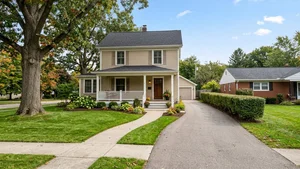
East Grand Rapids features some of the oldest and most architecturally distinct homes in West Michigan. Buyers will find 1920s Tudor revivals, classic Colonials, and mid-century modern designs lining tree-shaded streets.
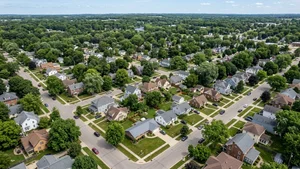
Because the city is fully developed, lot sizes in East Grand Rapids are small. Most properties sit on a quarter-acre or less, meaning houses sit close together.
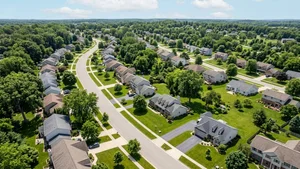
Caledonia offers a completely different housing landscape. The area consists of a small central village surrounded by expansive township land.
New construction makes up a large portion of the Caledonia market. Buyers looking for five-acre parcels, modern farmhouse designs, or wide ranch homes will find those options here.
Comparing Home Prices and Property Taxes
The median home price in East Grand Rapids sits around $738,000 as of early 2026. This makes it one of the most expensive zip codes in West Michigan. Caledonia presents a lower entry point, though prices vary based on acreage.
Buyers evaluating their budgets should note the contrast in baseline costs between the two municipalities. Here is how the median prices and tax rates compare:
East Grand Rapids: Median home price near $738,000 with an effective tax rate of 1.57% to 2.38%.
Caledonia: Median home price between $440,000 and $460,000 with an effective tax rate of 0.81% to 1.90%.
Property taxes play a major role in the monthly carrying costs for both areas. The higher millage rates in East Grand Rapids fund local municipal services and infrastructure. Caledonia taxes fall on the lower end of the spectrum for Kent County, which saves homeowners thousands of dollars a year.
Public Education and School Districts
School district boundaries in Michigan do not always align with city or township lines. Buyers should verify the specific district for any home before writing an offer.
East Grand Rapids Public Schools serves a compact geographic area. The district operates three elementary schools, one middle school, and one high school. All of these buildings sit within a short distance of the surrounding residential neighborhoods.
Caledonia Community Schools covers a much larger footprint across southern Kent County and parts of Barry County. The district includes multiple elementary buildings spread across the township to accommodate the geographic spread.
Both districts maintain extensive athletic facilities and specialized academic programs. Buyers prioritizing proximity to school buildings lean toward East Grand Rapids. Those looking for larger, spread-out campuses look to Caledonia.
Parks, Trails, and Daily Amenities
East Grand Rapids centers around Gaslight Village and Reeds Lake. Residents can walk from their front doors to local restaurants, boutique shops, and a grocery store.
Reeds Lake provides a focal point for the community, offering a walking path, a yacht club, and public parks right on the water. The dense layout means most homes sit within a mile of these amenities.
Caledonia trades walkable retail for extensive outdoor recreation space. The Paul Henry–Thornapple Rail Trail runs directly through the area. This provides miles of paved pathways for cyclists and runners.
Caledonia Lakeside Park offers access to Emmons Lake, baseball diamonds, and open green space. For daily shopping, residents typically drive to the commercial corridors in neighboring Kentwood or Byron Center.
Commuting to Downtown and the Airport
Drive times dictate daily routines, and these two areas offer distinct commuting experiences. East Grand Rapids borders the city limits, making it a quick trip into downtown Grand Rapids.
Taking local roads like Wealthy Street or Lake Drive gets East Grand Rapids residents to the downtown medical mile in 10 to 15 minutes. Highway driving is rarely necessary for this commute.
Caledonia sits roughly 15 miles south of the downtown core. The commute takes about 20 to 25 minutes using M-6 and US-131.
Both locations offer fast access to Gerald R. Ford International Airport. East Grand Rapids residents take a 15-minute drive south to reach the terminals. Caledonia residents are often less than 10 minutes from the airport entrance.
Frequently Asked Questions
Which area has higher property taxes, Caledonia or East Grand Rapids?
East Grand Rapids levies higher property taxes. The effective rate there can reach 2.38%, while Caledonia's effective rate tops out around 1.90%. This difference alters monthly escrow payments even on homes with identical purchase prices.
How long is the commute from Caledonia to Grand Rapids?
Drivers can expect a 20 to 25-minute trip from Caledonia to downtown Grand Rapids. The route typically involves taking M-6 to US-131 north. Rush hour traffic can add a few minutes to this timeline.
What is the difference in lot sizes between the two areas?
East Grand Rapids consists of dense, historic neighborhoods where lots often measure a quarter-acre or less. Caledonia offers much larger parcels. Many homes there sit on half-acre lots, full acres, or multi-acre tracts.