West Michigan offers two distinct living experiences within Kent County. Buyers researching Byron Center, MI vs Grand Rapids, MI face a $199,000 gap in median home prices between the two municipalities. Understanding the differences between these locations helps narrow down a property search.
Grand Rapids provides immediate access to downtown employment centers and historic homes on compact lots. Just 15 miles south, Byron Center offers larger parcels, newer construction, and immediate highway access to US-131. Deciding which area fits your budget and lifestyle means looking at local tax rates, commute times, and housing inventory.
The 2026 real estate market in Kent County continues to see steady demand. Buyers often weigh the convenience of city transit against the quiet streetscapes of suburban townships. Both locations offer strong municipal services, but they cater to different daily routines and financial plans.
Home Prices and Property Types in 2026
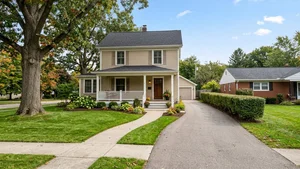
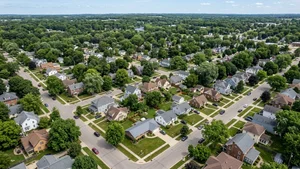
The median home price in Grand Rapids currently sits at $304,000. Buyers looking inside the city limits will find a mix of early 20th-century heritage homes, mid-century ranches, and newer downtown condos. Homes here typically sit on smaller, denser lots that require less exterior maintenance.
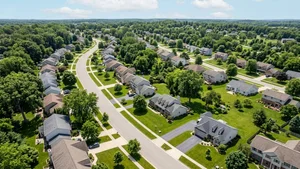
Byron Center commands a higher price point, with a median home price of $503,000. This township has seen steady residential development over the last decade, resulting in a large inventory of newer construction homes. Properties in this area often feature larger lot sizes, open floor plans, and attached multi-car garages.
The Kent County real estate market remains active this year. Buyers looking in Grand Rapids often face multiple offers on well-maintained homes priced under the median. City buyers should secure pre-approval early to compete for properties in popular historic districts.
Those shopping in Byron Center encounter a different pace of market activity. The higher median price point naturally reduces the buyer pool, but new construction phases still sell out quickly. Buyers interested in this suburb should prepare for higher down payment requirements to match the $503,000 median price tag.
Property Taxes and Millage Rates
Kent County property taxes vary based on the specific municipality and local millage rates. Homeowners in Michigan pay taxes based on their property’s taxable value, which is roughly half of its market value. Annual tax bills fund local schools, municipal services, and county-wide infrastructure projects.
Residents who claim their property as their primary residence qualify for the Principal Residence Exemption. This state exemption reduces the local school operating tax by up to 18 mills. Even with this exemption applied, effective tax rates differ between the city and the township.
Byron Center homeowners generally see slightly lower effective property tax rates compared to those living inside the Grand Rapids city limits. Grand Rapids levies a city income tax and additional municipal service millages that suburban townships do not charge. These extra city assessments fund urban transit, dedicated library systems, and extensive public works.
Buyers should calculate these monthly tax differences when comparing a $300,000 city home to a $500,000 suburban property. A lower tax rate in Byron Center helps offset the higher purchase price, but the larger property value still results in a substantial annual tax bill. Working with a local lender helps clarify the exact escrow requirements for each specific address.
Commute Times and Highway Access
The drive from Byron Center to downtown Grand Rapids covers approximately 13 to 15 miles. Most commuters rely on US-131 North, which connects the southern suburbs directly to the city center. This highway serves as the primary artery for West Michigan traffic moving into the downtown grid.
Under standard traffic conditions, this drive takes 15 to 20 minutes. Morning and evening rush hours can add time to this trip, especially near the interchange where US-131 meets M-6. M-6 serves as an east-west bypass that connects Byron Center residents to other major employment hubs like Holland and the Gerald R. Ford International Airport.
Grand Rapids offers public transit through the Rapid bus system, which serves the city and its immediate surrounding areas. Residents living near the downtown core can often commute without a personal vehicle. City neighborhoods also feature extensive sidewalk networks and dedicated bike lanes for non-motorized travel.
Byron Center remains primarily car-dependent. The township's layout spreads residential subdivisions away from commercial centers, making walking to the grocery store impractical for most residents. Buyers moving to the township should plan to drive for daily errands, school drop-offs, and workplace commutes
.
Parks, Shopping, and Entertainment
Downtown Grand Rapids holds the region's largest concentration of dining, arts, and entertainment venues. The city features major attractions like the John Ball Zoo, the Grand Rapids Art Museum, and dozens of restaurants along the downtown grid. Residents enjoy immediate access to concert venues like Van Andel Arena and seasonal festivals.
Byron Center provides a quieter suburban commercial corridor focused on retail convenience. The township is anchored by the Tanger Outlets, which draw shoppers from across West Michigan for retail apparel and home goods. Local dining consists mostly of casual restaurants, coffee shops, and national chains clustered near the 84th Street interchange.
Both areas maintain extensive green spaces and public recreation facilities. Byron Center’s Whistlestop Park includes 64 acres of athletic facilities, featuring soccer fields, baseball diamonds, and paved walking paths. The township also maintains smaller neighborhood parks integrated into newer residential developments.
Grand Rapids counters with a massive network of city parks and community pools. Residents have access to the paved White Pine Trail, which extends north out of the city for miles. Urban parks often feature mature trees, historic monuments, and direct access to the Grand River waterfront.
School Districts and Regional Healthcare
Byron Center Public Schools ranks third among school districts in the Grand Rapids area for 2026. The district earned an A+ rating from Niche this year, driven by its academic performance metrics and high graduation rates. The township recently expanded its facilities to accommodate the growing suburban population.
Grand Rapids Public Schools operates on a much larger scale across dozens of campuses. The city district offers specialized programs, including theme schools focused on environmental science, arts, and aerospace. Buyers should research the specific elementary or middle school assigned to a neighborhood, as performance metrics vary across the city grid.
Both municipalities provide immediate access to West Michigan’s major medical networks. Corewell Health operates multiple large campuses and specialized care centers throughout downtown Grand Rapids. The city also hosts the Michigan State University College of Human Medicine, bringing advanced research facilities to the urban core.
Byron Center residents can reach these primary hospitals within a 20-minute drive. The township also features its own local urgent care centers and outpatient clinics along the M-6 corridor. This infrastructure allows suburban residents to handle routine medical visits without driving into the city center.
Frequently Asked Questions
Is Byron Center considered part of Grand Rapids?
Byron Center is not a neighborhood within Grand Rapids. It is an unincorporated community and census-designated place located within Byron Township. While it sits just south of the city and belongs to the Grand Rapids metropolitan area, it maintains its own local government and school district.
What is the average commute time from Byron Center to downtown Grand Rapids?
Drivers can expect to spend 15 to 20 minutes traveling between the two locations. The primary route uses US-131 North, covering about 14 miles of highway. Rush hour congestion near the M-6 interchange often adds 5 to 10 minutes to this trip.
Is it cheaper to live in Grand Rapids or Byron Center?
Grand Rapids offers a lower entry price for housing, with a median home price of $304,000 compared to Byron Center’s $503,000. However, Grand Rapids residents pay a city income tax and face slightly higher property tax millage rates. Buyers should weigh the higher suburban mortgage payment against the city's additional tax burdens.