Buyers moving to the Grand Rapids suburbs often look closely at the southern tier of Kent County. The Cost of Living in Byron Center, MI blends higher-end suburban housing prices with relatively moderate daily expenses.
While the median home price sits above the Michigan state average, residents save money in other categories. Everyday costs like groceries, utilities, and transportation fall slightly below the national baseline, balancing out the monthly budget for many households.
Real Estate Prices and Local Taxes
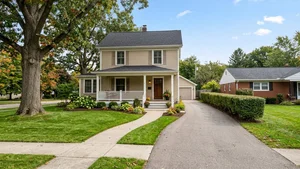
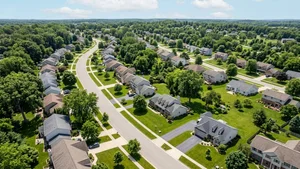
The median home price in this suburb hovers around $482,000 as of mid-2026. Buyers looking at new construction developments can expect to pay between $490,000 and $540,000 for a four-bedroom home. These prices reflect strong demand for established subdivisions and newer townhome communities south of the city.
Housing styles here range from mid-century ranch homes to modern farmhouse designs. Many of the newer subdivisions built over the last decade include mandatory homeowners association dues. Buyers should factor these annual HOA fees into their overall housing budget alongside their mortgage payments.
Renters face a similar premium compared to the broader metro area. The average monthly rent for an apartment or townhome is approximately $1,768. This pricing places the suburb in a more expensive bracket than the urban core of Grand Rapids.
The local rental inventory consists mostly of luxury apartment complexes and leased townhomes rather than single-family houses. Renters looking for standalone homes will find limited options and higher monthly rates.
Property taxes help offset some of the higher purchase prices. The effective property tax rate here is roughly 0.74%, which is lower than the Kent County median of 0.84% to 0.89%. Buyers should review the previous owner's tax bill while remembering that taxes will reset upon a sale.
Daily Expenses for Groceries and Utilities
Monthly utility bills for electricity, water, and heating run about 6% below the national average. Michigan winters require consistent home heating from November through March. Newer homes in the area often feature improved insulation and high-efficiency furnaces that keep natural gas bills manageable.
Properties on the rural edges of the township often rely on private wells and septic systems instead of municipal services. Buyers looking at these homes avoid monthly water and sewer bills but should budget for routine well and septic maintenance. Homes closer to the 84th Street corridor typically connect to the township water system.
Food and healthcare expenses follow a similar trend. Residents spend roughly 2% less on groceries than the average American household. The presence of major regional grocers like Meijer helps keep food prices competitive across West Michigan.
Access to major regional medical systems also keeps local healthcare costs competitive. Several urgent care centers and outpatient clinics operate within the township limits. For major medical needs, residents are a short drive from the specialized hospitals in downtown Grand Rapids.
High-speed internet is another fixed monthly cost for remote workers. Fiber-optic and broadband connections are widely available in the developed subdivisions. Monthly rates for gigabit internet service align with standard regional pricing.
Commuting Logistics and Gas Prices
Most residents commute to downtown Grand Rapids using the US-131 highway. The drive covers approximately 15 miles and typically takes 15 to 20 minutes under normal traffic conditions. This direct highway access makes the area popular for employees of the downtown hospital systems and corporate offices.
The M-6 highway interchange provides another major transit route for residents. This east-west toll-free highway connects drivers to Interstate 196 and the Gerald R. Ford International Airport. Easy access to the airport saves frequent travelers the expense of long-distance shuttles or extended parking fees.
Transportation expenses, including gas prices and vehicle maintenance, sit about 2% below the national average. Drivers benefit from Michigan's relatively stable regional fuel supply network. Local gas stations near the highway interchanges often feature competitive pricing.
Buyers should test the commute during morning and evening rush hours before making an offer. While the highway provides a straight shot north, winter weather can temporarily double drive times. Surface streets like Byron Center Avenue and Clyde Park Avenue serve as reliable backup routes when the highway backs up.
Public transportation options remain limited in this suburban sector. The regional bus system, The Rapid, operates primarily closer to the city center. Households here typically need at least one reliable vehicle to manage daily errands and work commutes.
Local Schools and Retail Access
Byron Center Public Schools serves over 4,500 students across its eight campuses. The district includes a centralized high school, an intermediate school, and several elementary buildings spread throughout the township. Buyers often target specific subdivisions based on proximity to their preferred elementary campus.
Homes located within walking distance of the elementary campuses often command a premium on the open market. Parents value the convenience of neighborhood sidewalks and crossing guards. This localized demand keeps resale values strong in the subdivisions immediately surrounding the schools.
The Van Singel Fine Arts Center shares a campus with the high school and serves as a major community hub. This facility hosts national touring acts and local productions throughout the year. Having a professional-grade theater in the neighborhood saves residents the time and expense of driving downtown for entertainment.
Retail options within the township limits include the Tanger Outlets, which draws shoppers from across West Michigan. Residents also have access to large grocery chains, hardware stores, and local restaurants along the 84th Street corridor. This commercial density allows residents to complete most daily errands without leaving the township.
Outdoor recreation centers around Whistlestop Park, a major township facility with sports fields, a fishing pond, and walking trails. The township also connects to the Kent Trails system, providing miles of paved paths for cyclists and runners. Access to these commercial and recreational spaces helps sustain local property values over time.
Frequent Questions About Byron Center Expenses
Is it cheaper to live in Grand Rapids or Byron Center, MI?
Grand Rapids generally offers a lower cost of entry for housing. The median home price inside the city limits is lower than the $482,000 average found in the southern suburbs.
However, suburban residents often pay slightly lower effective property tax rates. Buyers should compare the total monthly payment, including taxes and insurance, rather than just the purchase price.
How are property taxes calculated in Kent County, MI?
Local assessors determine a property's assessed value, which is roughly half of its estimated market value. The taxable value is then multiplied by the local millage rate to determine the annual bill.
State law caps how much the taxable value can increase each year until the property is sold. When a home changes hands, the taxable value resets to match the current assessed value, which can trigger a higher tax bill for the new owner.
What factors are included in the cost of living index for Byron Center, MI?
The index measures local housing prices, property taxes, transportation, groceries, and utilities against a national baseline of 100. Housing is the primary factor pushing the local index upward in this area.
Lower daily expenses for food, transportation, and energy help pull the overall score closer to the national average. This balance makes the township financially viable for many households despite the premium real estate market.