Caledonia, MI sits roughly 20 miles southeast of downtown Grand Rapids. Buyers looking in this part of Kent County often weigh housing costs against the daily drive to major employers. The commute remains a central factor when choosing a property here.
The area offers a direct path into the city while maintaining a distinct suburban and rural feel. Understanding the primary routes and seasonal traffic patterns helps buyers decide if the location aligns with their daily schedule. Time spent in the car adds up quickly over a five-day workweek.
Many residents work in Grand Rapids, Wyoming, or Kentwood, making the morning drive a shared routine. Commuters rely on a mix of highways and local roads to reach the office. Evaluating these transit options early in the home search prevents surprises after closing.
Drive Times to Major Employment Centers
The distance from a home to the office dictates much of the daily routine. A standard morning drive from Caledonia, MI into downtown Grand Rapids covers about 20 miles. The exact travel duration depends on the specific neighborhood you choose.
Traffic flows smoothly on most days, but localized congestion near highway interchanges can add minutes to the trip. Most drivers plan their departure times around the bottlenecks on M-37 between 7:30 AM and 8:30 AM. A minor accident on a two-lane road will quickly alter the morning timeline.
Downtown Grand Rapids: Expect a 25 to 30-minute drive under normal conditions. This assumes clear weather and no major accidents on the primary northbound routes.
Kentwood and Wyoming: These neighboring suburbs sit closer, requiring about 20 to 25 minutes behind the wheel. Many local manufacturing and corporate jobs are located in these adjacent municipalities.
Gerald R. Ford International Airport: Reaching the terminal takes only 10 to 15 minutes, covering a distance of roughly 5.5 to 7 miles. Frequent travelers often prioritize this short distance when selecting a home.
Primary Highways and Local Roadways
M-37, known locally as Broadmoor Avenue, serves as the main north-south artery connecting the area to Grand Rapids. This multi-lane highway carries the bulk of the morning commuter traffic. Stoplights along this route manage the flow of vehicles entering from side streets and commercial plazas.
Drivers heading east or west typically rely on the M-6 freeway, also called the South Beltline. This route provides quick connections to both I-96 and US-131. Access to these larger interstates makes traveling across Kent County much faster.
When major highways back up, locals turn to secondary roads to keep moving. East Paris Avenue and Patterson Avenue offer parallel north-south alternatives. These roads feature lower speed limits but fewer vehicles competing for space.
These surface streets bypass the worst congestion during peak rush hour. Buyers should test these secondary routes during their home search to gauge the flow of traffic. Driving the path at 8:00 AM provides a clear picture of the daily reality.
Public Transit and Rideshare Availability
The Rapid transit system provides bus service throughout the greater Grand Rapids area. Route 27 connects specific zones, and the Rapid Connect service offers on-demand transit for areas just outside the traditional fixed routes. This public transportation network serves residents who prefer not to drive.
Park-and-ride lots along the M-6 corridor give commuters a place to meet up and share the drive. Carpool options help reduce fuel costs and wear on personal vehicles. Sharing the trip also allows passengers to work or read during the morning commute.
The shift toward remote work continues to alter local traffic patterns. Many professionals now work from home two or three days a week. This permanent change in corporate culture has reduced the total volume of cars on the road.
This flexibility makes a slightly longer drive more manageable for hybrid workers. Commuting a few times a week changes the calculation for buyers comparing neighborhoods. A 30-minute drive feels less burdensome when it only happens twice a week.
Winter Weather and Summer Road Construction
Michigan winters alter daily travel expectations. Lake-effect snow, ice, and sleet routinely slow down traffic on M-37 and M-6 from December through March. County plows clear the main highways first, leaving rural subdivisions waiting slightly longer for service.
Drivers should plan for winter storms to add 15 to 30 minutes to their standard morning trip. Reduced speed limits and slick conditions demand extra caution and earlier departure times. Four-wheel drive vehicles provide an advantage, but safe driving habits matter most.
When the snow melts, seasonal road repair begins. Summer road construction brings lane closures and detours to major arteries. The state schedules most infrastructure upgrades between May and September to take advantage of the warmer weather.
Repaving projects on the M-6 freeway or local surface streets can cause unexpected delays. Checking a traffic app before leaving the house remains a standard practice year-round. An alternate route saves time when orange barrels block the primary path.
Local Real Estate, Parks, and Schools
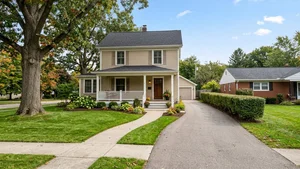
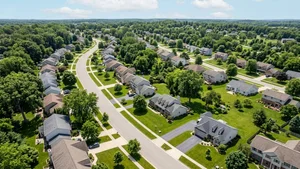
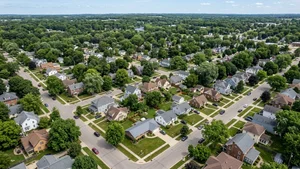
The local housing market offers a mix of single-family homes, ranging from newer subdivisions to properties with larger acreage. As of mid-2026, median home prices in the area sit between $400,000 and $535,000. Inventory levels fluctuate, but demand remains steady from buyers moving out of the city center.
Buyers evaluating this market often look closely at property taxes and municipal services. The specific location of a home dictates its proximity to the Caledonia Community Schools district boundaries. Mapping out these boundaries ensures buyers target the right neighborhoods.
The area features several outdoor recreation spaces. Caledonia Lakeside Park provides access to Emmons Lake, walking trails, and athletic fields. Residents utilize these green spaces throughout the warmer months.
The Paul Henry Thornapple Trail offers miles of paved paths for running and biking. These amenities add value to the local real estate landscape. Access to outdoor recreation balances the daily demands of a professional commute.
Frequently Asked Questions
How long does it take to get from Caledonia, MI to Grand Rapids?
A typical morning trip to downtown Grand Rapids takes 25 to 30 minutes. Drivers cover a distance of about 20 miles using M-37 north.
How far is Caledonia, MI from the Gerald R. Ford International Airport?
The airport is located 5.5 to 7 miles away, depending on your exact starting point. Most residents reach the passenger drop-off zone in 10 to 15 minutes.
What is the median home price in Caledonia, MI?
Current data for mid-2026 shows median home prices ranging from $400,000 to $535,000. Values vary based on the size of the lot and the age of the single-family home.