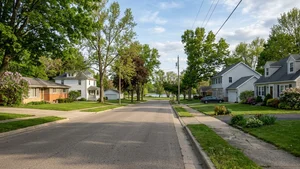
The median home price in Byron Center is currently around $610,000, and homes are selling in just six days. If you've spent the last couple of decades in a large, multi-story house, the Byron Center housing market is giving you a real opportunity to cash out and simplify.
A smaller footprint means lower utility bills, less yard work, and equity you can actually use. But selling a long-held property and buying something smaller isn't just a transaction - it's a coordination problem. You're managing timelines, Michigan property tax rules, and a search for the right low-maintenance home in Kent County, all at once.
Reasons to Consider a Smaller Home in Byron Center
Keeping up a four-bedroom house with a big yard costs time, money, and energy. At some point, the space stops serving you and starts demanding things from you. That shift is different for everyone, but when it happens, the math on downsizing gets hard to ignore - especially in a market like this one.
Tapping Into Your Home Equity
Byron Center's inventory sits at just 3.2 months of supply, which means sellers in this market tend to hold real leverage. If you've owned your home for any length of time, that equity is likely substantial.
Some buyers use the proceeds to purchase the next property outright, which eliminates a mortgage payment entirely. What's left can go toward investments or simply serve as a cushion for future expenses.
Cutting Back on Maintenance and Upkeep
Fewer rooms to clean. A smaller roof to maintain. Less square footage to heat and cool every month. Those aren't small things when you add them up over a year.
Getting off a large lot also means less time on landscaping and snow removal - which, if you've lived in West Michigan for any length of time, you know is not a minor consideration. Many buyers moving into this next phase look specifically for communities where exterior maintenance is handled collectively, so weekends stay free.
Lowering Your Monthly Housing Costs
Even when the purchase price of a smaller home is close to what you're selling, the ongoing carrying costs tend to be meaningfully lower. Utilities, insurance, and taxes all follow square footage and assessed value.
Last year's data from the area illustrated this clearly: older two-bedroom ranch homes were listing under $330,000, while newer four-bedroom builds in neighborhoods like Southtown were clearing $500,000. That gap doesn't disappear at closing - it shows up in your property taxes and insurance premiums every single year.
Popular Types of Smaller Homes in Byron Center
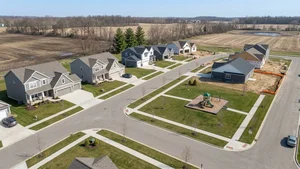
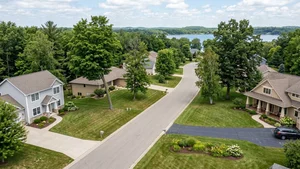
Byron Center has real options for buyers looking to shed square footage - detached ranches, attached townhouses, patio homes, and communities with varying levels of association involvement. The inventory covers a range of price points and maintenance commitments.
What you choose comes down to how much you want to handle yourself and what kind of community setup suits you. Either way, factor in HOA dues when you're running the numbers.
Condos and Townhouses
Condos and townhouses share walls and shift exterior upkeep to the association. Many also come with amenities - clubhouses, fitness centers, walking trails - that you wouldn't have maintained on your own.
HOA fees vary considerably depending on what's included. At Preservation Lakes, for example, dues run around $350 to $388 per month and cover lawn maintenance, snow removal, water, sewer, and trash. That's a meaningful monthly number, but it's also replacing a meaningful amount of your own time and labor.
Single-Story and Patio Homes
If avoiding stairs is a priority, you've got options. There are currently roughly 60 single-story homes for sale locally, with a median listing price around $617,000. Patio homes are a related category - smaller, easier-to-manage outdoor spaces rather than full lawns, with current listings showing a median price of $620,000.
Both types frequently include main-floor primary suites and optional downstairs bedrooms for guests, which works well if family visits are part of the picture.
Low-Maintenance Neighborhoods
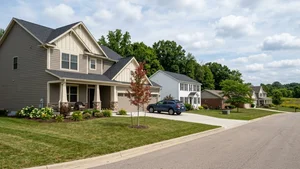
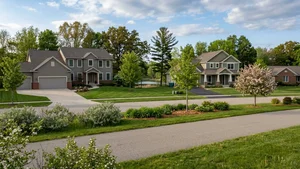
Not everyone wants shared walls or a high monthly HOA. Some buyers prefer a detached single-family home in a neighborhood with a basic association - the kind that maintains a common entrance or a shared green space and charges a few tens of dollars a month for the privilege.
Michigan's statewide average for HOA fees is roughly $210 per month. Whatever community you're considering, review the association's rules and financial health before you make an offer. The dues are only part of the picture.
Financial and Tax Rules for Michigan Sellers
Selling a home you've owned for many years comes with specific tax considerations, and Michigan handles property taxes differently than states with portability laws. Getting clear on how capital gains and local exemptions work before you list means no surprises at the closing table.
Capital Gains Taxes on Your Sale
Federal tax law lets individuals exclude up to $250,000 of profit from the sale of a primary residence - $500,000 for married couples filing jointly. The property needs to have been your primary home for at least two of the past five years.
Anything above those thresholds is subject to capital gains tax. Your exact liability depends on your original purchase price and any major improvements you've made over the years, so talk to a tax professional before you close.
Property Taxes and the Principal Residence Exemption
Michigan doesn't let you port your existing property tax savings to a new home. What the state does offer is the Principal Residence Exemption (PRE), which exempts your primary home from 18 mills of local school operating tax.
On a $200,000 home with a 50% State Equalized Value, that exemption saves approximately $1,800 a year. To claim it, you'll file Form L-4013 with your local assessor - by June 1 for the summer tax bill, or November 1 for the winter bill.
Saving on Insurance and Utilities
Seniors 65 and older, disabled persons, and disabled veterans may also qualify for additional stacking tax exemptions. These typically require a one-time application and sometimes an annual income recertification.
A smaller home also means a lower replacement cost, which generally translates to lower homeowner's insurance premiums. When you're comparing two properties that look similar on paper, those ongoing monthly differences are worth building into the comparison.
Steps to Organize Your Move
Selling and buying at the same time is a logistics problem as much as a real estate one. Breaking it into phases makes it manageable - and starting early gives you time to prepare your current property properly before it hits the market.
With Byron Center homes selling at nearly 100% of list price, a well-prepared home will attract strong offers. That part is working in your favor.
Pricing Your Current Property
Before anything else, you need a clear sense of what your home is actually worth right now. A local agent will pull comparable sales in your specific neighborhood and suggest a competitive listing price based on what buyers are actually paying.
Homes in Byron Center are averaging six days on market. Getting the price right from day one matters - a mispriced listing wastes time you'd rather be spending on your next purchase.
Tackling the Decluttering Process
You're not just moving - you're editing. A smaller floor plan doesn't accommodate what a four-bedroom house does, and the time to figure that out is before the moving truck shows up.
Start with the rooms you use least: attic, basement, guest bedrooms. Sort everything into keep, sell, donate, or discard. There's a practical bonus here too - completing this process before you list helps stage the home, and buyers notice when rooms and closets look like they actually have room to breathe.
Managing the Buy-Sell Timeline
You've got three basic options: buy first, sell first, or close both simultaneously. Each has real tradeoffs.
Buying first means you're not scrambling for housing, but it usually requires a bridge loan or a contingent offer tied to your sale. Selling first gives you exact numbers for your budget, but if you can't find the right property immediately, you may need a temporary rental. An agent who knows this market will help you structure the contracts to align closing dates as closely as possible - it's one of those places where the details matter.
Frequently Asked Questions
What are the most popular condo communities or 55+ neighborhoods for downsizing in Byron Center?
Preservation Lakes is a well-known condo community in the area that handles exterior maintenance for residents. Buyers can also find single-level patio homes in local 55+ communities that feature covered patios and accessible layouts.
How will downsizing to a smaller property in Byron Center affect my Kent County property taxes?
Your overall tax bill will likely go down if you're buying a less expensive home, but Michigan doesn't let you port your previous tax cap to the new property. You'll need to file a new Principal Residence Exemption (Form L-4013) by June 1 or November 1 to exempt your new home from 18 mills of local school operating tax.
Should I sell my large family home first or buy my smaller Byron Center property first?
It depends on your financial situation and how much uncertainty you're comfortable with. Selling first gives you exact cash figures for your next purchase. Buying first via a bridge loan or contingent offer means you won't need temporary housing, but it adds complexity to the transaction.
Are there local estate sale companies or services in the Byron Center area that help downsizers declutter?
Yes - hiring professionals to sort and sell belongings is a common step for sellers in Kent County. Getting this done early helps stage your current home and makes sure what you're keeping actually fits the new floor plan.
How long does it typically take to sell a larger, multi-story home in the current Byron Center real estate market?
Quickly. The median days on market in Byron Center is currently just six days, and homes are selling for nearly 100% of their list price.
What are the hidden costs or HOA fees to watch out for when downsizing to a low-maintenance condo in Byron Center?
HOA fees vary significantly by community. At Preservation Lakes, dues run around $350 to $388 per month and cover lawn care, snow removal, water, sewer, and trash. Basic single-family HOAs might run only a few tens of dollars a month. Read the association's financials before you make an offer - the monthly fee is only part of what you're agreeing to.