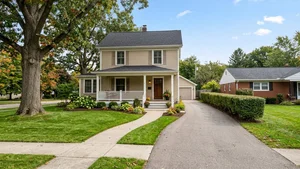
The median sale price in Caledonia sits between $460,000 and $530,000 this spring. For first-time home buyers, Caledonia, MI offers a mix of rural space and suburban convenience, but getting the keys takes preparation.
Inventory remains tight across Kent County in 2026. You will likely face multiple offers on entry-level homes, making your financing strategy just as important as your property search.
What to Expect from the Caledonia Real Estate Market
Homes in the 49316 zip code are currently moving fast. The median sale price ranges from $460,000 to $530,000, depending on the exact neighborhood and lot size. Buyers looking under the $450,000 mark often see the most competition.
Days on the market average around two to three weeks for well-priced properties. Overall inventory volume remains lower than historical averages, meaning fewer choices hit the Multiple Listing Service each week. You should prepare to write strong offers the same weekend a property debuts.
Types of Entry-Level Properties You Will Find
Entry-level buyers usually target single-family homes built in the late 1990s or early 2000s. You will also find townhome communities closer to the village center that offer lower price points and less exterior maintenance. These attached properties provide an accessible entry point into homeownership.
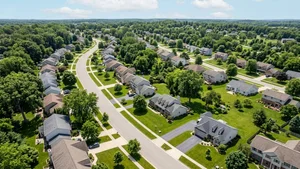
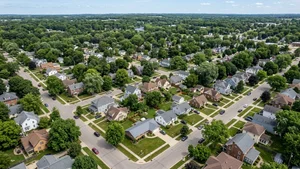
As you move further into the rural parts of Kent County, lot sizes expand. Many properties sit on half-acre or larger parcels, though these often come with private wells and septic systems to maintain. Newer suburban developments closer to the M-37 corridor often include homeowner associations that enforce neighborhood rules.
State Grants and Down Payment Help
The Michigan State Housing Development Authority (MSHDA) offers several loan programs that lower upfront costs. The MI Home Loan program provides predictable fixed-rate mortgages for buyers meeting specific income caps. For a one- or two-person household in Kent County, the 2026 income limit sits just under $121,000.
MSHDA pairs these mortgages with down payment assistance options to reduce your out-of-pocket expenses. The standard program offers a $10,000 loan to cover closing costs and the initial deposit. A First-Generation program also provides up to $25,000 for applicants whose parents did not own a home.
Buyers can also explore resources from nonprofit organizations operating in West Michigan. Groups like National Faith Homebuyers offer education courses and additional payment assistance programs. You must complete a homebuyer education class to qualify for most state-backed funds.
Common Mortgage Types for New Buyers
Federal Housing Administration (FHA) loans require a 3.5% minimum down payment. These government-backed mortgages allow for lower credit score minimums than conventional loans. You will pay upfront and annual mortgage insurance premiums, which adds to your monthly expense.
Conventional mortgages remain popular for buyers with strong credit histories. While many buyers assume a 20% down payment is required, conventional loans allow as little as 3% down for qualified applicants. Private mortgage insurance applies until you reach 20% equity in the property.
Veterans and active-duty service members can utilize VA loans, which require zero down payment and no monthly mortgage insurance. Buyers looking at the rural edges of Caledonia might qualify for a USDA home loan. This zero-down program has geographic and income restrictions, but parts of southern Kent County still fall within eligible zones.
How Lenders Evaluate Your Application
Lenders review your financial profile to determine how much money you can borrow. MSHDA programs require a minimum credit score of 640. Conventional loans often require a credit score of 620, while FHA guidelines allow scores in the upper 500s depending on the lender.
Your debt-to-income ratio compares your gross monthly income to your monthly debt payments. Most creditors want to see this ratio stay below 43%, though exceptions exist for buyers with large cash reserves. Keeping your credit card balances low improves this ratio before you apply.
The pre-qualification process requires thorough documentation. Underwriters ask for two years of tax returns, recent pay stubs, and two months of bank statements. Having these files organized speeds up your loan approval.
Commutes, Parks, and Daily Life in Caledonia
The commute from Caledonia to downtown Grand Rapids takes approximately 25 minutes via M-37. This direct route makes the area practical for buyers working in the city center. Gerald R. Ford International Airport is also located just a short drive north.
Outdoor recreation defines much of the local landscape. The Paul Henry Thornapple Trail offers paved paths for running and cycling through the center of town. Residents also utilize the Lepard Nature Preserve for hiking and observing local wildlife.
Public School District Boundaries
The Caledonia Community Schools district covers a large geographic footprint. The boundaries span across southern Kent County and stretch into parts of northern Allegan County.
The high school, middle schools, and several elementary buildings sit near the main village center. Buyers focused on a specific school assignment should verify the exact address with the district office before writing an offer.
Budgeting for Property Taxes and Association Dues
The property tax rate in Caledonia averages between 1.12% and 1.28% of the home's taxable value. Michigan recalculates a property's taxable value upon a sale, so your future tax bill will likely differ from what the current owner pays. Your lender will estimate these new figures during the mortgage process.
You can lower your tax burden by claiming the Michigan homestead exemption. This principal residence exemption reduces the school operating tax portion of your bill by up to 18 mills. The property must serve as your primary residence to qualify for this reduction.
Buyers targeting newer suburban neighborhoods should factor homeowner association dues into their monthly budget. HOA fees cover common area maintenance, snow removal on private roads, and community landscaping. These fees are factored into your debt-to-income ratio during loan underwriting.
The Timeline from Pre-Approval to Closing
The purchase process starts with securing a pre-approval letter from a local lender. This document proves to sellers that you have the financial backing to close the deal. Once pre-approved, you can begin touring homes with a real estate agent.
When you find the right property, your agent will help you draft a competitive purchase agreement. If the seller accepts, you enter the inspection period. A licensed inspector will review the home's structure and systems, giving you a chance to request repairs or walk away if major issues arise.
The final step involves signing the official transfer documents at a title company. You will wire your down payment and closing costs to the escrow account a day or two before this meeting. Once the funds clear and the deed is recorded, you receive the keys to your new home.
Frequently Asked Questions
What is the income limit for first-time home buyers in Michigan?
For 2026, the MSHDA MI Home Loan program caps income at approximately $121,000 for a one- or two-person household in Kent County. Larger households have slightly higher thresholds. These limits apply to all adults living in the home, regardless of who is on the mortgage.
How much of a down payment do I need for a house in Caledonia, MI?
You do not need a 20% down payment to buy a home. FHA loans require just 3.5% down, which equals $17,500 on a $500,000 property. Eligible buyers can also use state assistance programs to cover these upfront expenses.
Does Michigan have a first-time home buyer program?
Yes, the state offers several loan and grant options through the Michigan State Housing Development Authority. These include fixed-rate mortgages and down payment assistance loans up to $10,000. A specialized program also offers up to $25,000 for first-generation buyers.