The median home price in Kent County, Michigan sits near $380,000 this year, but specific municipalities command different premiums. Buyers looking at the Grand Rapids area frequently weigh established city limits against growing suburban townships.
Choosing between Byron Center, MI vs East Grand Rapids, MI comes down to housing density, architectural preference, and daily commute routines. Both areas offer distinct property types, differing property tax rates, and specific local amenities.
Comparing the Layout and Lifestyle
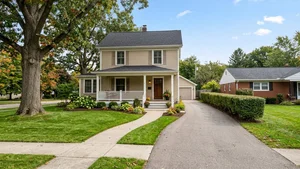
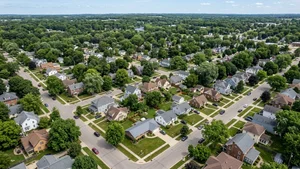
East Grand Rapids operates as an independent, compact city surrounded by the larger Grand Rapids municipality. The area features a traditional grid layout with sidewalks, mature trees, and homes built close together. Residents can often walk from their front doors directly to local retail blocks or municipal parks.
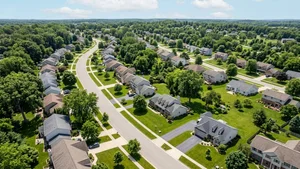
Byron Center functions as a wide-reaching township positioned south of the city. The landscape transitions from suburban subdivisions into open agricultural space. Buyers find larger lot sizes, curving neighborhood streets, and land available for new construction.
Both municipalities sit within Kent County, MI, but they offer completely different daily routines. East Grand Rapids delivers a dense, walkable environment. Byron Center provides more space between neighbors and relies on vehicle travel for most errands.
Home Prices and Architectural Styles
The median home price in East Grand Rapids ranges from $700,000 to $820,000 as of mid-2026. The housing inventory consists largely of early-to-mid 20th-century properties. Buyers will find classic Tudor, Colonial, and Craftsman designs featuring original hardwood floors and plaster walls.
Byron Center presents a different price point, with a median home value hovering around $500,000. The township features a high concentration of homes built after 1990. Buyers frequently encounter modern two-story designs, ranch homes, and active new construction developments.
The premium in East Grand Rapids reflects the limited land available for development within its borders. Byron Center continues to expand its housing footprint into former farmland. Buyers should weigh the appeal of historic architecture against the lower maintenance costs often associated with newer builds.
Property Taxes and Holding Costs
Millage rates directly impact monthly mortgage payments, and these two areas tax property at different levels. East Grand Rapids levies a higher tax rate to maintain its independent municipal services. Byron Center relies on a township structure, resulting in a lower overall tax burden.
Homeowners claiming a Principal Residence Exemption will see a noticeable difference in their annual tax bills. These rates determine the baseline holding costs for any property.
East Grand Rapids applies a total millage rate of approximately 47 mills. This funds dedicated city services, local road maintenance, and public safety departments.
Byron Center maintains a total millage rate between 28 and 30 mills. The exact rate depends on specific school district boundaries within the township.
Both locations pay base Kent County taxes, but the local municipal and school levies create the gap.
Drive Times to Downtown Grand Rapids
A daily drive into downtown Grand Rapids takes about 5 to 10 minutes from East Grand Rapids. Commuters typically use local surface streets like Wealthy Street or Robinson Road. The short distance eliminates the need for highway travel during the morning rush.
Traveling from Byron Center requires a highway commute using U.S. Route 131 and M-6. The drive to the city center takes 15 to 20 minutes under normal conditions. Heavy traffic during peak morning and evening hours can extend this timeframe.
Buyers should test these routes during their target commute hours before making an offer. The convenience of a five-minute surface street drive often offsets the higher housing costs for downtown workers.
Parks, Shopping, and Recreation
East Grand Rapids centers its recreational and retail activity around Reeds Lake and Gaslight Village. Residents have immediate access to waterfront trails, local boutiques, and independent restaurants within a few blocks. The centralized design encourages walking to dinner or the grocery store.
Byron Center distributes its amenities across a larger geographic footprint. Residents drive to access major retail hubs and regional parks. The area provides different recreational opportunities suited to a suburban landscape.
Whistlestop Park serves as a primary recreational hub in Byron Center, offering sports fields, a fishing pond, and community gathering spaces.
Kent Trails provides paved paths for cycling and running, connecting the township to other parts of West Michigan.
Tanger Outlets anchors the local retail scene, offering a massive open-air shopping complex near the U.S. Route 131 corridor.
Public School Infrastructure
East Grand Rapids Public Schools operates within a tight geographic boundary. The district features a centralized campus layout where the middle school and high school sit within walking distance of each other. Many students walk or bike to class through the surrounding residential blocks.
Byron Center Public Schools covers a much wider geographic area. The district places multiple elementary schools throughout different neighborhoods to serve the expanding population. The main high school campus sits on a large parcel of land to accommodate growing enrollment.
Both school systems maintain extensive extracurricular facilities. East Grand Rapids utilizes Memorial Field for community athletic events, while Byron Center features expansive modern sports complexes. Buyers should verify specific district boundaries, as some Byron Center addresses fall into neighboring school systems.
Frequently Asked Questions
Is it cheaper to live in Grand Rapids or Byron Center?
The main city of Grand Rapids generally offers lower median home prices than Byron Center. While Grand Rapids features older homes closer to the $300,000 range, Byron Center properties average around $500,000. However, specific property taxes and municipal income taxes in Grand Rapids can affect the total cost of ownership.
How long is the commute from Byron Center to Grand Rapids?
Driving from Byron Center to downtown Grand Rapids typically takes 15 to 20 minutes via U.S. Route 131. Traffic congestion near the 28th Street exit can add an extra 10 minutes during the morning rush hour. Alternate routes using Clyde Park Avenue offer a steady, if slower, surface street option.
What are the average property taxes in Kent County, MI?
Kent County applies a baseline operating millage of about 4.08 mills, but total tax bills depend entirely on the specific city or township. A typical homeowner in the county pays between 28 and 48 mills once local school and municipal taxes are added. This translates to roughly 1.4% to 2.4% of a property's taxable value annually.